

Is Coffee Subscription Worth the Cost? Honest 2026 Review
Table of Contents
- Is Coffee Subscription Worth the Cost? The Short Answer
- Coffee Subscription Price Comparison: Subscription vs. Grocery Store
- Benefits of Fresh Roasted Coffee Beans: Why Roast Date Matters
-
How to Choose a Coffee Subscription That Fits Your Routine
- Delivery Frequency and Inventory Management
- The 14-Day Rule: Match Delivery to Your Actual Consumption
- Avoid the Coffee Backlog: Practical Inventory Management
- Customization and Brewing Compatibility
- Match the Roast to Your Equipment
- Grind Size Matters More Than You Think
- Check Cancellation Policies Before You Commit
- Hidden Costs and Waste: The Environmental Side of Subscriptions
- Who Actually Benefits From a Coffee Subscription?
- Conclusion: Making the Call on Subscription Coffee
- Frequently Asked Questions
Last Updated: September 9, 2026
Is Coffee Subscription Worth the Cost? The Short Answer
For most daily coffee drinkers, a coffee subscription is worth the cost if you prioritize freshness and flavor over the lowest possible price per pound. The recurring delivery model solves one problem grocery store coffee cannot: stale beans sitting on a shelf for months. At Bright N Early, we roast to order because coffee's flavor peaks within days of roasting.
The real question isn't whether subscriptions cost more, they usually do. It's whether paying a modest markup for beans that taste better, arrive on a schedule you control, and support direct sourcing is worth it. For daily drinkers treating coffee as a ritual, the math usually works out.
Below, we'll break down the actual price difference, what freshness does to your cup, and who should skip subscriptions entirely.
Coffee Subscription Price Comparison: Subscription vs. Grocery Store
Grocery store coffee looks cheaper because you're comparing shelf price without accounting for what you're actually getting. A subscription typically charges more per bag, but that price buys beans roasted days before shipping, not months before you open them.
Price Per Bag vs. Price Per Cup
When you break down coffee subscription cost per cup, the difference narrows dramatically.
| Cost Comparison | Grocery Store | Coffee Subscription |
|---|---|---|
| Typical bag size | 12 oz | 12 oz |
| Roast date | Weeks to months old | Days old |
| Price per bag | Lower | Higher |
| Price per cup | $0.40-$0.60 | $0.55-$0.85 |
| Flavor quality | Diminished | Peak freshness |
| Sourcing transparency | Limited | Often direct |
A typical cup uses about 10 grams of coffee, so a 12-ounce bag yields roughly 34 cups. Even if a subscription costs a few dollars more per bag, you're talking about pennies per cup for a dramatically better tasting morning.
The Real Math: Price Per Cup vs. Your Local Cafe
The most useful comparison isn't subscription vs. grocery store, it's subscription vs. the cafe down the street. A 12-ounce bag at $19 (a typical specialty subscription price) yields 34 cups at roughly $0.56 per cup. A comparable pour-over at a specialty cafe runs $4 to $6, and even basic drip at a national chain costs $2.50 or more.
One subscription bag costs less than a single cafe visit. Replacing just four cafe visits per month with home-brewed subscription coffee saves $10 to $22 monthly, even after accounting for the premium over grocery store beans.
Where the Premium Actually Goes
The markup on subscription coffee isn't arbitrary. Paying $18 to $22 per 12-ounce bag covers several concrete costs that grocery store coffee doesn't carry:
- Roast-to-order labor: Small-batch roasting happens in shorter runs, which costs more per pound than mass production
- Rapid fulfillment: Shipping within 24 to 48 hours of roasting requires faster turnaround than sending pallets to distributors
- Direct sourcing premiums: Many subscription roasters pay above commodity prices to farmers, often $3 to $4 per pound versus the $1.50 to $2.50 commodity rate
- Packaging designed for freshness: One-way valves, resealable bags, and nitrogen flushing add $0.50 to $1.50 per bag
When Grocery Store Coffee Actually Makes Sense
Grocery store coffee wins in one specific scenario: you drink coffee primarily with milk and sugar, don't notice staleness, and brew large batches for a household. A $9 bag at $0.26 per cup is hard to argue with then. But if you drink black coffee or use a pour-over or espresso setup, the flavor difference between week-old and month-old beans becomes immediately obvious.
The Hidden Cost of Grocery Store Coffee
Grocery store coffee has a cost that doesn't show up on the receipt: waste. A bag already three months past roast has roughly two to three weeks before it goes flat. If you don't finish it in that window, you're throwing away money and flavor. A subscription aligns delivery with your consumption rate, so you're far less likely to waste what you paid for.
Benefits of Fresh Roasted Coffee Beans: Why Roast Date Matters
Coffee is a perishable product, and most people don't treat it that way. Whole bean coffee starts losing its volatile flavor compounds within days of roasting. The benefits of fresh roasted coffee beans show up in the cup: brighter acidity, clearer tasting notes, and a sweetness stale coffee cannot produce.
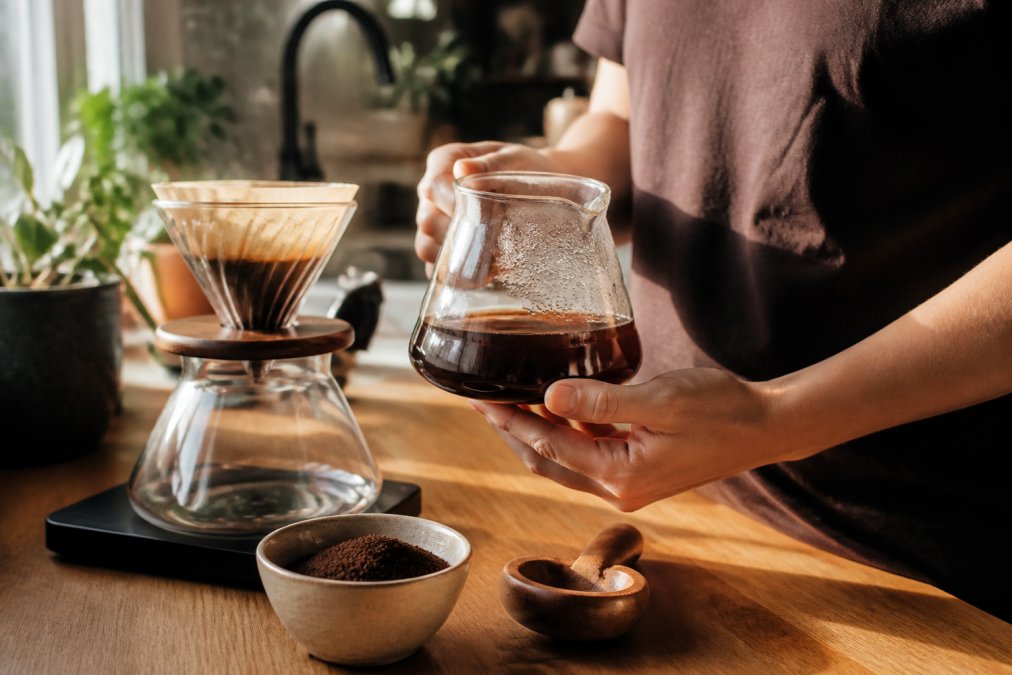
When you buy from a roaster that prints the roast date instead of a "best by" date, you can actually tell the difference. Coffee roasted a week ago has a noticeably fuller aroma than coffee roasted three months ago, even if both were sealed properly. The National Coffee Association's brewing guidelines recommend using coffee within a few weeks of roasting for optimal flavor, which is exactly what a subscription delivers to your door.
If you're buying grocery store coffee, check the roast date. Many bags don't include one. If you can't find it, assume the coffee is already past its prime.
How to Choose a Coffee Subscription That Fits Your Routine
Choosing a coffee subscription starts with honesty about how much coffee you drink and how you brew it. The best plan on paper fails if it delivers more bags than you can finish before they go stale.
Delivery Frequency and Inventory Management
Subscription fatigue is real and usually comes from over-ordering. A common mistake is signing up for a bag every two weeks when you only finish one every three, leaving a backlog of coffee losing freshness on your counter.
Track how long one bag lasts before committing. Most subscriptions let you adjust delivery cadence, so start conservative and ramp up if needed.
The 14-Day Rule: Match Delivery to Your Actual Consumption
Coffee's flavor window is roughly 14 to 21 days after roasting. If you drink one 12-ounce bag every three weeks, a monthly delivery works fine. If you finish a bag in 10 days, you need delivery every two weeks at minimum.
Before subscribing, measure your actual consumption for two weeks. Most home brewers use 15 to 20 grams per cup for pour-over or drip. At 18 grams per cup, a 12-ounce bag (340 grams) yields about 19 cups, not the 34 cups a 10-gram estimate suggests. That's a massive difference in how long a bag lasts and how often you need delivery.
Avoid the Coffee Backlog: Practical Inventory Management
If you find yourself accumulating bags, the fix is a simple system:
- Keep one bag in active use on your counter
- Store one bag in an airtight container in a cool, dark cabinet as your backup
- Pause or skip deliveries when your backup bag is unopened
- Never open a new bag until the current one is empty, coffee stales fastest once the seal is broken
Most subscription platforms, including Bright N Early, let you skip a delivery with one click. Use that feature aggressively. A skipped delivery costs you nothing; a wasted bag costs you $18 to $22.
Customization and Brewing Compatibility
Your brewing method should dictate your grind choice. Whole bean is almost always the right call because it preserves flavor longest, but if you use a drip machine without a grinder, look for a subscription that offers pre-ground options. Many roasters also offer single-origin selections and variety packs if you prefer rotating flavors.
Match the Roast to Your Equipment
Most subscription advice treats all coffee the same, but your brewing equipment determines which beans will actually perform well.
- Espresso machines: Need beans roasted for espresso, typically medium to medium-dark roasts with a development profile that extracts well under 9 bars of pressure. Light roasts often taste sour and underdeveloped in espresso.
- Pour-over (V60, Chemex, Kalita Wave): Light to medium roasts shine here. The slower extraction highlights bright acidity and floral notes.
- French press: Medium to dark roasts work best. The immersion method extracts more body, so lighter roasts can taste thin.
- Drip machines: Medium roasts are the safest bet. Many automatic drip brewers don't reach optimal water temperature, so darker roasts can taste bitter and lighter roasts can taste flat.
- Moka pot: Medium-dark roasts with chocolate or nut notes handle the high extraction pressure well.
Before subscribing, check whether the roaster lists tasting notes and roast level on each bag. If you're an espresso drinker, look for subscriptions that explicitly label beans as espresso roasts. A light-roast single origin that tastes amazing as a pour-over will likely disappoint in your espresso machine.
Grind Size Matters More Than You Think
If you're buying pre-ground coffee, understand that grind size is a compromise. A bag ground for drip will perform poorly in a French press or espresso machine. The safest path is whole bean and grind at home, a basic burr grinder costs $40 to $100 and pays for itself within months.
Check Cancellation Policies Before You Commit
Also check the cancellation policy before you buy. A subscription you can't easily pause or cancel is a trap, not a convenience. Reputable roasters, including Bright N Early, make it straightforward to adjust frequency or skip a delivery. Read the fine print: some require emailing customer service to cancel, others lock you into prepaid multi-bag commitments. The best subscriptions offer self-service controls in your account dashboard.
Hidden Costs and Waste: The Environmental Side of Subscriptions
Recurring shipping has an environmental footprint that most guides ignore. Every delivery means packaging, transportation, and energy to ship a small bag across the country. If you're ordering more coffee than you can drink, you're also creating food waste, and stale coffee often ends up in the trash.
Ways to minimize the impact:
- Choose a roaster that uses recyclable or compostable packaging
- Opt for less frequent deliveries with larger quantities
- Consolidate orders to reduce shipping trips
- Store beans in an airtight container away from light and heat
- Freeze portions only if you must, though guidance from the Specialty Coffee Association generally advises against freezing beans you'll use soon
Who Actually Benefits From a Coffee Subscription?
Not everyone needs a subscription. The people who benefit most share a few traits.
You're a good fit if you drink coffee daily, care about how it tastes, and dislike the hassle of remembering to buy beans. A subscription removes the friction of running out and ensures fresh coffee is always on hand.
You should probably skip it if you drink coffee occasionally, are extremely price-sensitive, or prefer the flexibility of picking up whatever bag looks interesting at the store. The consumer research on subscription retention published by Statista shows that convenience and perceived value are the top reasons people stay subscribed, and both require regular consumption to justify the cost.
For daily drinkers who value a genuine morning ritual, the consistency of a subscription that delivers freshly roasted beans on a schedule you control is worth the small premium.
Conclusion: Making the Call on Subscription Coffee
A coffee subscription is worth the cost when freshness and ritual matter more than shaving every possible cent off your grocery bill. The price-per-cup difference is small, but the flavor difference is substantial, and automatic delivery removes a daily decision from your morning.
If you're ready to try coffee that's roasted to order with carefully sourced beans and no shortcuts, Bright N Early delivers that experience. Our selection is designed for people who want a trustworthy, delicious start to the day, with fast, reliable delivery and the option to adjust your schedule as needed.
Get started with Bright N Early and taste the difference freshness makes in your first cup.
Frequently Asked Questions
Are coffee subscriptions more expensive than buying beans at the grocery store?
Often yes on a per-bag basis, but the price per cup is closer than you might expect. Grocery store coffee usually sits on shelves for weeks or months before purchase. Subscription coffee is roasted to order and shipped shortly after, which means you use every gram without stale batches going to waste. A coffee subscription typically costs more upfront, but you pay for freshness and convenience rather than a significant per-cup markup.
How much money can you save with a coffee subscription versus buying retail?
Savings depend on your consumption and how much stale coffee you throw away. If you buy bags at the store and discard them because they taste flat, a subscription eliminates that waste. Some services also offer small discounts or free shipping for recurring orders. The real financial benefit is avoiding wasted coffee and last-minute expensive cafe runs when you run out of beans at home.
What factors determine if a coffee subscription is worth the cost?
Your daily volume, your sensitivity to stale flavors, and your schedule are the main factors. If you drink one cup per day and buy whole beans, a subscription ensures you always have fresh coffee without an extra errand. If you drink coffee occasionally or prefer flavored syrups that mask staleness, the cost is harder to justify. Evaluate the price per cup, delivery cadence, and cancellation policy before committing.
What are the hidden costs of coffee subscription services?
Shipping fees are the most common hidden cost, though many services include free shipping over a certain order size. Subscription fatigue is another cost: if you forget to skip a delivery, you end up with more coffee than you can drink, which leads to waste. Check the cancellation policy and whether you can pause deliveries. A flexible plan that matches your actual consumption prevents paying for coffee you do not use.